
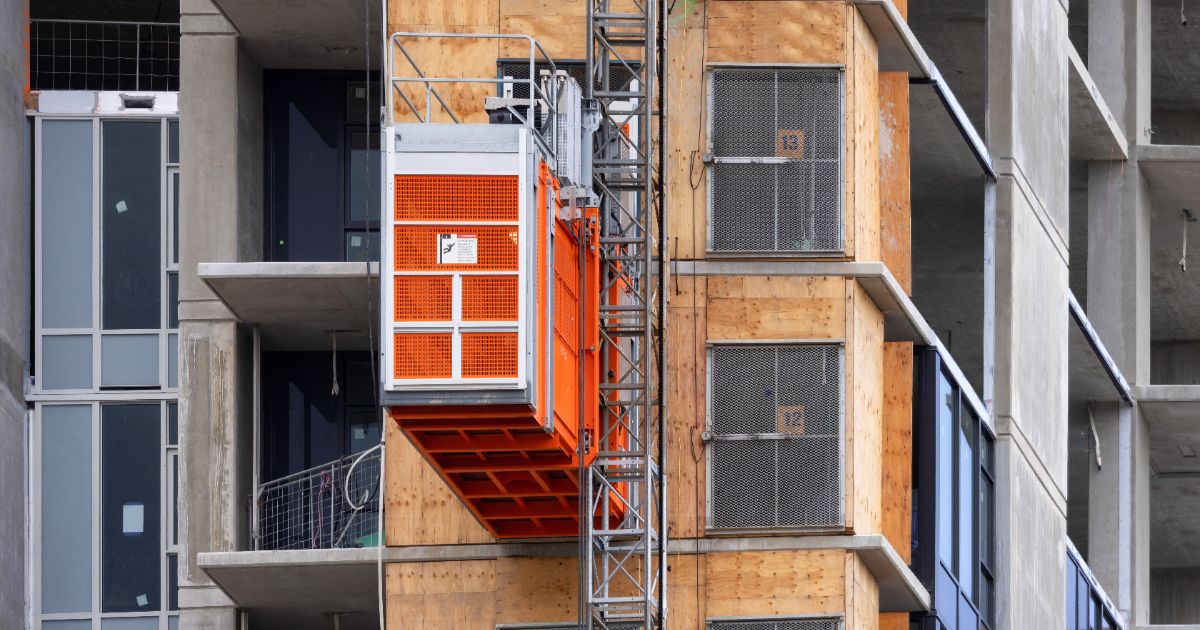
What is a freight elevator? A freight elevator is a heavy-duty lift designed to move large, bulky items and materials between floors in commercial and industrial buildings.
These powerful machines can carry thousands of pounds, making them essential for warehouses, factories, hospitals, and retail stores that need to transport goods safely and efficiently.
Unlike regular passenger elevators, freight elevators are built with reinforced walls, stronger cables, and larger platforms.
I will give you a full breakdown so you can learn everything possible about these types of elevators.
What Is a Freight Elevator?
A freight elevator is a lift built to move heavy items, not people. It carries goods like pallets, carts, tools, and machines between floors.
A freight elevator focuses on strength, not comfort. It uses strong walls, solid floors, and heavy doors.
These elevators are common in buildings that move goods all day.
You will often see them in:
- Warehouses
- Factories
- Hospitals
- Hotels
- Grocery stores
- Office buildings with storage floors
They help workers move items fast and safely.
How Freight Elevators Work
A freight elevator works by lifting loads using a motor and guide rails. It moves up and down inside a shaft just like a passenger elevator.
The main difference is the design. Everything is built to handle weight and impact.
Key parts include:
- A strong cab made of steel
- A powerful motor
- Guide rails for balance
- Manual or powered doors
- A control panel with simple buttons
The cab floor is flat and thick. This helps carts roll in and out with ease.
Types of Freight Elevators
There are different types based on how much weight they carry and how they are used.
A freight elevator falls into one of three main classes.
Class A Freight Elevators
Class A models carry uniform loads. These loads are spread evenly across the floor.
They are best for pallets or boxed goods.
They are common in:
- Warehouses
- Storage buildings
They have smooth rides and basic doors.
Class B Freight Elevators
Class B models handle rolling loads. These loads move in and out on carts or dollies.
They need stronger floors and doors.
They are common in:
- Retail stores
- Hotels
- Hospitals
They are built for daily use.
Class C Freight Elevators
Class C models handle heavy rolling loads. These loads are large and hard to stop.
They have the strongest design.
They are used in:
- Factories
- Auto plants
- Heavy industry
These elevators move very slow for safety.
Freight Elevator Weight Limits
Weight limits matter more than anything else.
A freight elevator has a rated load capacity. This number shows the max weight it can carry safely.
Most freight elevators carry:
- 2,000 to 10,000 pounds
Some heavy-duty models carry even more.
Overloading causes damage. It also creates safety risks.
Never load more weight than the posted limit.
Always train workers to check the load size before use.
Freight Elevator Safety Features
Safety is not optional. Freight elevators include strong safety systems.
Common safety features include:
- Emergency stop buttons
- Door locks
- Overload sensors
- Alarm systems
- Backup brakes
Freight elevators use built-in safety systems to prevent falls and overloads.
Regular checks keep these systems working.
Freight Elevator Doors and Controls
Doors are built for strength, not speed.
Most freight elevators use:
- Manual swing doors
- Vertical sliding doors
- Bi-parting metal doors
Controls are simple and tough.
You will see:
- Large buttons
- Key switches
- Floor selectors
- Emergency controls
This keeps the operation clear and safe.
Where Freight Elevators Are Used
Freight elevators support daily work across many industries.
They move goods safely between floors in work buildings.
Common uses include:
- Moving food in hotels
- Carrying medical supplies
- Shipping factory parts
- Transporting office storage
They save time and reduce worker strain.
Freight Elevator Installation Basics
Installation depends on building size and load needs.
The process includes:
- Site review
- Shaft planning
- Electrical setup
- Cab installation
- Safety testing
Older buildings may need upgrades.
New buildings can plan space early.
Freight Elevator Maintenance Needs
Maintenance keeps elevators safe and legal.
A service plan should include:
- Monthly checks
- Door testing
- Cable inspection
- Brake testing
- Control checks
Skipping service leads to breakdowns.
Freight Elevator vs Passenger Elevator
These two elevators serve different jobs.
A freight elevator:
- Moves goods
- Has simple controls
- Handles heavy loads
A passenger elevator:
- Moves people
- Focuses on comfort
- Has lighter weight limits
Using the wrong type causes problems.
Repair and Common Problems
Freight elevator repair keeps the system safe and reliable. Fast repairs reduce downtime and help avoid safety risks.
Most repair issues come from daily use and heavy weight. Small problems can grow if ignored.
Common freight elevator problems include:
- Doors that stick, drag, or fail to close
- Slow movement or uneven stops
- Loud grinding, banging, or squealing sounds
- Control buttons that do not respond
- Cab leveling issues that make carts hard to roll
- Overload sensor or warning errors
Fixing issues early helps protect motors, cables, brakes, and control systems. It also helps meet safety and inspection rules.
Final Thoughts on Freight Elevators
Freight elevators play a key role in daily operations. They move heavy items safely and reduce worker strain. Choosing the right type, size, and elevator service plan matters.
Clear planning saves time and money. A well-installed and well-serviced system keeps work moving without delays.
If you manage a building that moves goods, this guide gives you the basics you need to make smart decisions.