
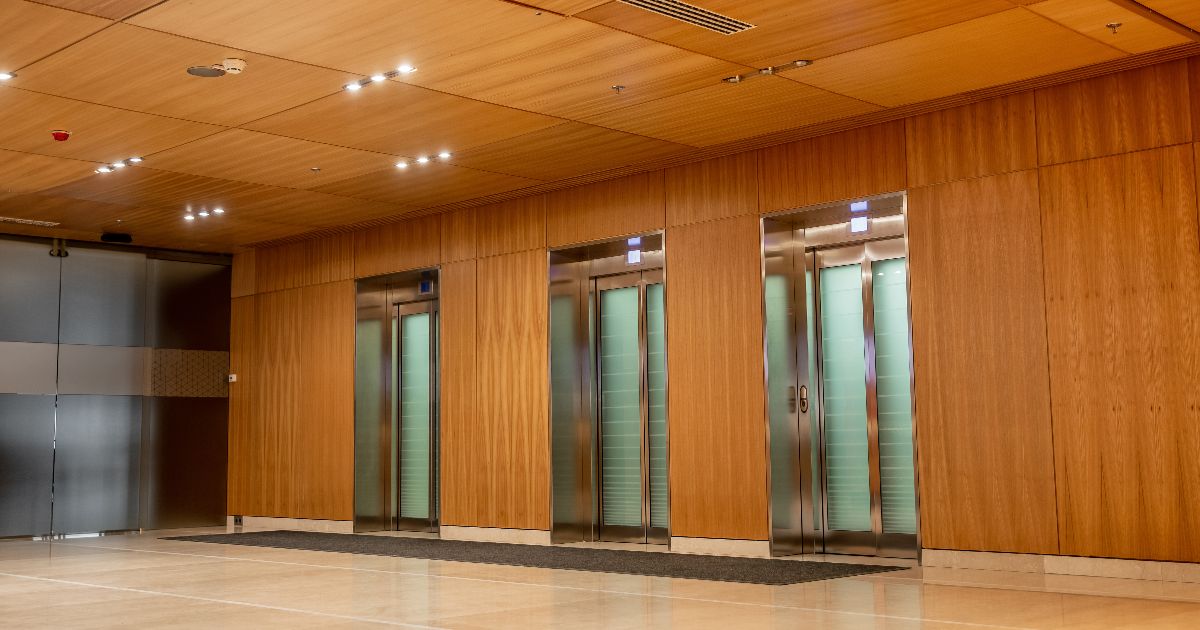
Elevator modernization vs. new installation is a common choice many building owners face. Both options improve safety and performance, but they work in different ways.
Learning the difference helps you make a wise decision that fits your building, budget, and long-term plans.
Elevator Modernization
Elevator modernization replaces worn parts, restoring the elevator to like-new condition. The goal is to make the ride smoother, safer, and more reliable without replacing the whole system.
What Modernization Includes
Modernization may replace:
- Door operators
- Control panels
- Motors
- Cables and rollers
- Interior lights or buttons
- Safety systems
These updates help the elevator operate more efficiently, respond faster, and comply with current safety regulations.
Signs Your Elevator May Need Modernization
You may need modernization when you see:
- Slow or shaky rides
- Long wait times
- Frequent shutdowns
- Old lights and buttons
- Loud sounds during travel
These problems indicate that the system is aging and may not comply with current code.
New Elevator Installation
A new elevator installation replaces the entire system from top to bottom. This is a bigger project, but it gives the building a fresh start.
When New Installation Is the Better Choice
A complete replacement is often best when:
- The elevator is very old
- The shaft or parts are unsafe
- Repairs are too expensive
- The building needs a larger or faster elevator
- The current system cannot meet code, even with upgrades
A new installation also offers modern technology that older systems cannot support.
Cost vs. Time
Cost and time are 2 of the biggest factors building owners think about.
Modernization
- Costs less than a full replacement
- Takes less time to finish
- Causes shorter downtime for riders
Modernization is usually the better choice when the structure is still strong.
New Installation
- Costs more
- Takes longer due to construction
- May require building changes
New installations deliver greater long-term value and address legacy issues that modernization cannot resolve.
Differences in Safety and Code Requirements
Safety codes change over time. Older elevators may not match new rules unless upgraded.
Modernization Updates Safety Features
Modernization adds:
- Better door systems
- Stronger brakes
- Updated control features
- Emergency communication tools
These updates help meet current safety codes.
New Installation Meets All Modern Standards Automatically
A brand-new system includes the latest safety features built in. This is helpful for buildings with large crowds, heavy traffic, or strict code demands.
Rider Experience
Modernization improves the ride, but a new elevator delivers the best experience possible.
With Modernization
Riders may see:
- Faster doors
- Better leveling
- Quieter rides
- Brighter lights
The elevator will feel newer, even if the frame stays the same.
With New Installation
A new elevator offers:
- Full redesign freedom
- New interiors
- Higher speed options
- Stronger energy efficiency
This gives the building a clean, modern look and feel.
What to Think About Before Choosing
Choosing between modernization and new installation is easier when you ask a few key questions:
- How old is the system?
- How often does it break down?
- Do repair bills keep rising?
- Does the elevator meet code?
- Do you want a modern look or better performance?
- How much downtime can your building handle?
Your answers will point you to the right choice.
Which Option Is Right for Your Building?
Elevator modernization vs. new installation depends on the system’s age, safety requirements, and long-term goals. Modernization is a strong option when the structure is still safe, and only the parts need updates.
A new installation works best when the elevator is too old, too costly to repair, or unable to meet safety codes. By understanding the difference, you can choose the option that keeps your building safe, reliable, and ready for the future.