
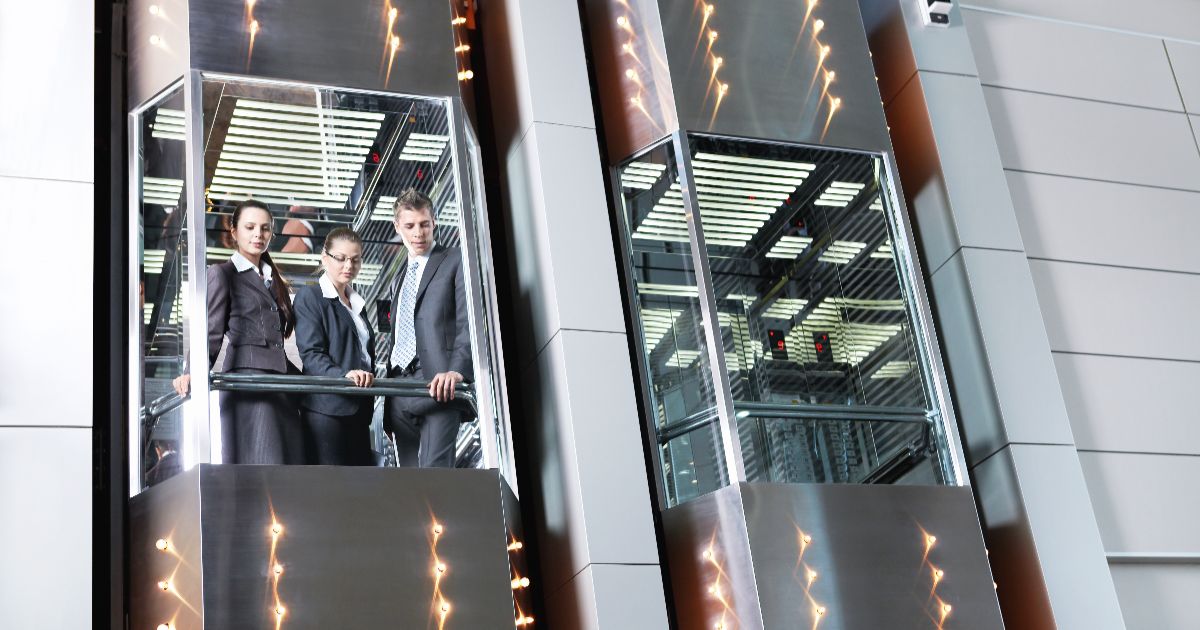
Hurricane-ready elevators keep people and buildings safe during major storms in Hollywood, FL. These storms move fast and damage elevator systems. When warnings are issued, building owners need to know how to protect their elevators and keep them operational after the storm. We will show you the steps to prepare your elevators.
When you need local support, our trusted Elevator Company in Hollywood, FL can help you plan, inspect, and maintain your system.
How to Prepare Elevator Equipment Before a Storm
Storm prep starts long before the first rain band hits. Each part of the elevator system requires attention, as a single weak point can cause damage, prolonged downtime, or unsafe conditions.
Seal and Protect the Elevator Pit
The elevator pit is the lowest part of the system, so it takes on water first. Even a small amount of water can harm pumps, cables, and switches.
Simple steps that help keep the pit safe include:
- Sealing cracks where water can enter
- Checking drains and pumps for proper flow
- Testing sump pumps at the start of hurricane season
- Installing high-water alarms to alert staff right away
Keeping the pit dry protects some of the most sensitive parts of the elevator.
Secure the Machine Room
The machine room powers the whole system, so water or wind in this space can cause major failures. A storm-ready machine room should stay sealed, dry, and stable.
Helpful steps include:
- Closing all vents and doors tightly
- Fixing gaps that can let rain or wind inside
- Keeping the room cool and clutter-free
- Raising electrical components if they sit low to the floor
These small actions make a big difference during heavy rain and power swings.
Protecting Power and Wiring
Elevators depend on steady power, but hurricanes can cause outages, surges, and flicker. When the power changes quickly, the controller and wiring can be damaged.
To lower the risk, many buildings use:
- Surge protectors
- Backup generators
- Battery-lowering systems that move the elevator to the nearest floor during outages
These tools help riders avoid getting stuck and help the elevator recover faster after the storm clears.
Creating an Emergency Plan for Elevator Safety
A hurricane plan works best when everyone understands their role. Clear steps remove confusion and keep people safe.
Build a Simple Rider Safety Plan
Riders should know what to do long before a warning appears. Your plan should:
- Tell riders not to use elevators during storm alerts
- Move all cars to higher floors
- Leave doors open after cars are parked
- Shut down power to the elevators until the storm ends
These steps prevent riders from becoming trapped and protect cars from rising water.
Train Your Building Team
Your building staff should be confident in handling the elevator system in changing weather. Good training covers:
- How to shut the system down safely
- Who to contact for emergency service
- How to check the pit and machine room after the storm
- How to document damage for insurance or repair crews
With clear training, your team can respond quickly and calmly.
What to Do After the Storm
Once the storm passes, the elevator should stay off until a full inspection is complete. Restarting too early can cause more damage or put riders at risk.
Key Areas to Inspect
A careful post-storm check should include:
- Water levels in the pit
- The machine room’s floors, walls, and equipment
- Wiring, control panels, and sensors
- Door tracks and car movement
- Backup power systems
If anything appears unsafe, the elevator must remain out of service until a professional can assess the issue.
Safe Restart Steps
When the system passes inspection, a licensed technician will:
- Check the building’s power supply
- Reset all controls
- Run slow, controlled test rides
- Confirm that doors, sensors, and safety features work smoothly
Only after these steps is the elevator safe for regular use again.
Helpful Upgrades for Stronger Hurricane Protection
Coastal buildings often add upgrades so elevators can withstand repeated storm seasons. These upgrades reduce long-term risks and help systems recover faster.
Useful Hurricane-Ready Upgrades
Many buildings improve storm safety with:
- Water-resistant doors for machine rooms
- Raised controls in pits or lower floors
- Sealed pipes and conduits
- Stronger sump pumps with alarms
- Rust-resistant parts that hold up in salty air
These upgrades protect your investment and shorten downtime.
Keeping Hurricane-Ready Elevators Safe
A hurricane-ready elevator in Hollywood, FL, is a key part of your building’s safety plan. Strong preparation protects your equipment and helps you bring the system back online faster after a storm.
By sealing the pit, securing the machine room, training your team, and implementing upgrades, you give your elevator the best chance to remain safe through every hurricane season.
If you want to learn more about the types of support a service team can provide, you can explore this guide to elevator services that are important in Hollywood.
Stay prepared, review your plan regularly, and consult trusted local experts when you need guidance.